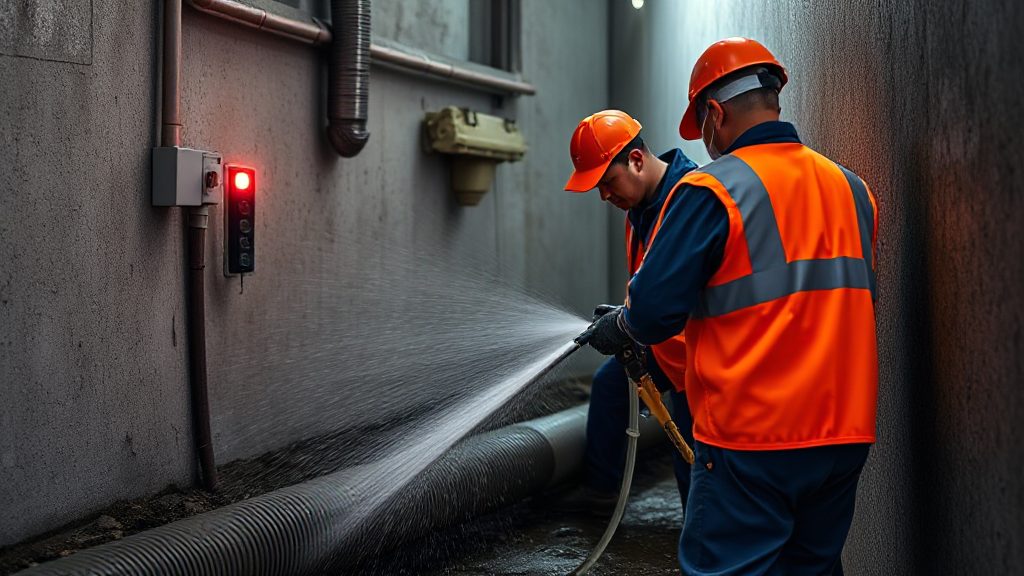
Emergency Drain Service in São José dos Campos: What to Expect
Emergency Drain Service in São José dos Campos: What to Expect
If you searched for a desentupidora São José dos Campos, you likely need one thing fast: a clear answer on who can clear a blocked drain, sewer line or grease trap without turning a small backup into a flooded property. The short version is that you should call a local emergency team that works 24 hours, arrives with mechanical and hydro-jetting equipment, and can handle both residential and commercial lines. Everything below explains what that service actually involves, so you can judge quotes and avoid repeat blockages.
What changed recently is how these teams work. Instead of guessing where the clog sits, technicians now inspect lines with cameras before choosing a method. That matters because a drain that backs up in a house in Jardim Aquarius and a grease line under a restaurant in the city center rarely need the same treatment. The right approach saves you from paying twice for the same problem.
What a Local Drain and Sewer Team Actually Does
A drain service is not just a plunger and a hose. A professional team diagnoses the line, clears the obstruction, and confirms the flow is restored. In São José dos Campos, that usually means working on kitchen sinks, bathroom floor drains, toilet branches, laundry outlets, condo vertical stacks and outdoor sewer lines. The first step is always locating the blockage, not blindly pushing a cable into the nearest cleanout.
Once the obstruction is found, the technician chooses between mechanical clearing, hydro-jetting or, in some cases, excavation. Mechanical clearing uses a rotating cable or auger to break through soft blockages such as paper, soap residue and roots. Hydro-jetting uses high-pressure water to scour the pipe walls, which is often the better choice for grease and sediment. A good team explains which method it is using and why, so you are not left guessing.
Residential and Commercial Work
Residential calls tend to involve a single fixture or a branch line. Commercial calls are different because the volume is higher and the downtime costs money. A restaurant with a blocked grease trap, a condominium with a backed-up garage drain or a shop with a flooded service area all need a team that can work outside normal hours. That is why 24-hour emergency coverage is part of the service, not an optional extra.
Preventive Maintenance
Many repeat blockages come from the same line that was never really cleaned. Preventive maintenance means scheduled hydro-jetting or inspection before a backup happens. For condominiums and commercial kitchens, a maintenance plan is usually cheaper than emergency call-outs and water damage repairs. The team documents what was found, which helps a building manager plan the next service.
How the Emergency Call-Out Works Step by Step
The process is more predictable than it feels when water is rising. Knowing the steps helps you stay calm and ask the right questions on the phone. Here is what a typical call-out looks like.
- Phone triage: you describe where the water is backing up, how long it has been happening and whether it is a single fixture or multiple points. This helps the team bring the right equipment.
- On-site inspection: the technician checks cleanouts, floor drains and accessible pipe sections, and may use a camera to see the obstruction.
- Method selection: the team decides between cable clearing, hydro-jetting or another approach based on the blockage type and pipe condition.
- Clearing and testing: after clearing, the line is flushed and tested to confirm water flows freely.
- Cleanup and advice: the area is cleaned, and you receive guidance on what caused the blockage and how to reduce the risk of it returning.
If you are comparing providers, ask whether the price includes inspection and testing or only the clearing. A cheap call-out that clears one fixture but leaves the main line blocked is not a saving. For a desentupidora São José dos Campos SP team, the goal is a line that stays clear, not just a drain that drains for a day.
What Affects the Cost and How to Avoid Overpaying
There is no single price for drain clearing because the work depends on access, blockage type and time of day. A simple sink blockage is very different from a main sewer line under a slab. The main cost factors are the location of the blockage, the equipment required, whether a camera inspection is needed, and whether the call happens at night or on a weekend. Emergency hours usually carry a higher rate, which is normal in the trade.
To avoid overpaying, ask for a clear breakdown before work starts. A reputable team explains what is included and what might cost extra, such as excavation or replacing a damaged pipe section. Be cautious of quotes that seem far below the local average, because they often exclude inspection or testing. Also confirm whether the price covers disposal of the removed material.
Common Mistakes That Cause Repeat Blockages
- Pouring cooking oil or grease down the kitchen sink, where it cools and hardens.
- Flushing wipes, paper towels or hygiene products that do not break down.
- Ignoring slow drains until they become full backups.
- Using chemical drain cleaners repeatedly, which can damage older pipes.
- Skipping maintenance on grease traps and condo sewer lines.
These habits matter more than most people think. A line that is cleaned but keeps receiving grease will clog again. The best prevention is matching the cleaning method to the cause and changing what goes into the drain.
Choosing the Right Provider and What to Ask
When you need a desentupidora em São José dos Campos SP, the decision usually comes down to availability, equipment and transparency. Start by confirming the team covers your area and can arrive within a reasonable time. Then ask what equipment they carry and whether they inspect before clearing. A team that inspects first is less likely to damage a pipe or miss the real cause.
Another useful question is whether they handle both the drain and the sewer line. Many blockages start in the branch line but involve the main line, and a provider that only clears fixtures may not solve the problem. If you manage a building, ask about documentation and maintenance plans. A written record of each service makes it easier to plan and to show residents that the system is being maintained.
The bottom line is simple: a good drain service answers the phone, explains the process, inspects before clearing and tests after. That combination is what separates a quick fix from a lasting solution. If you keep those criteria in mind, you can choose a provider with confidence and avoid the cycle of repeat call-outs.

After the Van Leaves: Post-Service Checks in Brás
After the Van Leaves: Post-Service Checks in Brás
The van pulls away from the curb in Brás, and the apartment suddenly feels quiet. The drain that was backing up an hour ago now swallows water without a gurgle. But before you close the door and move on, a few deliberate checks will tell you whether the job is truly finished or just temporarily quiet. If you hired a desentupidora Canindé team, the service report and the first hour of observation are your best evidence that the blockage is gone for good.
This closing checklist is organized by time: what to verify in the first hour, what to watch during the first week, and what to schedule in the first month. It is written for residents and small business owners in Brás who want to confirm the work, follow up intelligently, and prevent the same drain from failing again.
First Hour: Verify the Work Before the Door Closes
The first sixty minutes after a desentupimento service are the most informative. Water behavior, smells, and small sounds reveal whether the line is clear or merely bypassed. Do not sign off on the service until you have walked through the points below.
Run water in every fixture that shares the line
Fill the kitchen sink, flush the toilet twice, and run the shower for a few minutes. If the cleared drain serves a bathroom group, test all of them at the same time. A line that drains slowly when several fixtures run together may still carry a partial obstruction.
Check for leaks at the cleanout and connections
Look at the cleanout cap, the trap under the sink, and any joint the technician opened. A small seep shows as a dark ring on the pipe or a damp patch on the floor. Wipe the joint dry and check again after ten minutes. Any new moisture after the technician leaves should be reported the same day.
Ask for the service record and the scope
Request a written note of what was done: which line was cleared, what equipment was used, and whether the technician saw roots, grease, or collapsed pipe. A professional team from a desentupidora Canindé São Paulo SP will explain whether the blockage was local or part of a larger pattern. That note becomes your reference if the problem returns.
Smell test and air check
A faint sewer odor right after service is normal because the trap seal was disturbed. Odor that grows stronger over the next hour, or that appears in a room far from the drain, suggests gas is escaping through a dry trap or a loose connection. Open a window, run water in every drain to refill the traps, and call the company if the smell persists.
First Week: Watch for Recurrence and Document Everything
Most repeat blockages announce themselves within seven days. The first week is about observation, not intervention. Keep a simple log of what you see and when.
Track drain speed and gurgling
Note how quickly each fixture drains compared with the day of service. Gurgling from a floor drain when the toilet flushes is a sign that air is being pulled through a partial blockage. If the same fixture slows twice in a week, the line likely needs a camera inspection rather than another rodding.
Keep the area dry and check the floor
In Brás, many buildings have older slabs and shared walls. A damp patch near a floor drain or along the base of a wall can indicate a cracked pipe that the clearing process exposed. Photograph anything unusual with a date stamp; it helps the company and, if needed, the condominium administration.
Confirm the invoice matches the service
Compare the invoice with the service record. The line cleared, the equipment used, and any extra work such as hidrojateamento should match what you were told. If the technician recommended a follow-up, schedule it now rather than waiting for a second emergency.
Share findings with the building manager
If you live in a condominium, send a short summary to the síndico. Shared stacks mean your blockage may affect neighbors, and a building-wide record helps the administration plan preventive maintenance instead of reacting unit by unit.
First Month: Prevent the Same Drain from Failing Again
A cleared pipe is not a maintained pipe. The first month is the window to change habits and schedule the work that keeps the line open through the next rainy season.
Adjust what goes down the drain
Grease, coffee grounds, rice, and wipes are the most common causes of repeat kitchen and bathroom blockages. Pour cooled grease into a container, not the sink. Use a drain strainer and empty it daily. In commercial kitchens, a grease trap inspection should be part of the monthly routine.
Book preventive maintenance
Properties that have had one emergency are likely to have another. A preventive visit with hidrojateamento removes buildup before it closes the pipe. For a restaurant or a condominium in Brás, a quarterly or twice-yearly schedule is more economical than repeated emergency calls. A reliable desentupidora em Canindé São Paulo SP can propose a frequency based on the pipe material and the number of users.
Inspect the septic system if the property has one
Older commercial properties in the area may still rely on a fossa séptica. If the service involved septic waste, schedule a pump-out and inspection within the month. A full tank backs up into the lowest drains first, which is often mistaken for a simple clog.
Know the warning signs for the next call
Slow drains in more than one fixture, sewage odor indoors, and water rising in a floor drain when appliances run are signs to call a professional rather than reach for a chemical product. Chemical drain openers can damage older pipes and make the next mechanical clearing harder.
Frequently Asked Questions
How soon can I use the drains normally after desentupimento?
In most cases, immediately. Run water for a few minutes to confirm flow, then use fixtures as usual. If the technician used hidrojateamento on a heavily soiled line, avoid large volumes for the first hour so you can observe the joints.
Should I pay extra for a camera inspection?
It is worth considering if the same line has blocked more than once in a year, if the building is old, or if roots are suspected. A camera inspection shows whether the pipe is intact or deformed, which determines whether clearing alone will hold.
What should I do if the smell returns after a few days?
Refill every trap by running water in all drains, then check for a loose cleanout cap. If the odor persists, call the company that performed the service and describe where the smell is strongest. A persistent smell can indicate a dry trap, a vent problem, or a connection that needs resealing.
Can I prevent blockages in a shared condominium line?
Only with the building’s cooperation. Individual strainers help, but shared stacks need periodic professional maintenance and a clear rule about what residents may flush. Ask the síndico to include drain maintenance in the annual plan.